The Non-Destructive Testing (NDT) services of Teknoprogetti Engineering assess the real condition of floor slabs, columns, beams and masonry without compromising their integrity, with certifiable on-site data in compliance with the NTC 2018 and the Guidelines for the Classification of Seismic Risk. We work on structures in reinforced concrete, steel, masonry and timber — with rebound hammer, ultrasonics, covermeter, georadar, core drilling, thermography, resistography and load testing — producing technical reports ready for building permits, static testing, expert appraisals and building records. Based in Vimercate (MB), operating throughout Italy.
Discover the state of health of a structure
Do you need to know the real condition of a floor slab, a column or a timber beam without stopping work on site? The Non-Destructive Testing (NDT) services of Teknoprogetti provide you with certifiable technical data directly on site, in compliance with the NTC 2018 and the Guidelines for the Classification of Seismic Risk. We work on structures in reinforced concrete, steel, masonry and timber for private clients, engineering and architecture firms, public bodies and insurance companies. Our investigations produce technical reports ready for building permits, static testing, expert appraisals and building records.
What we investigate and with which methods
Reinforced concrete
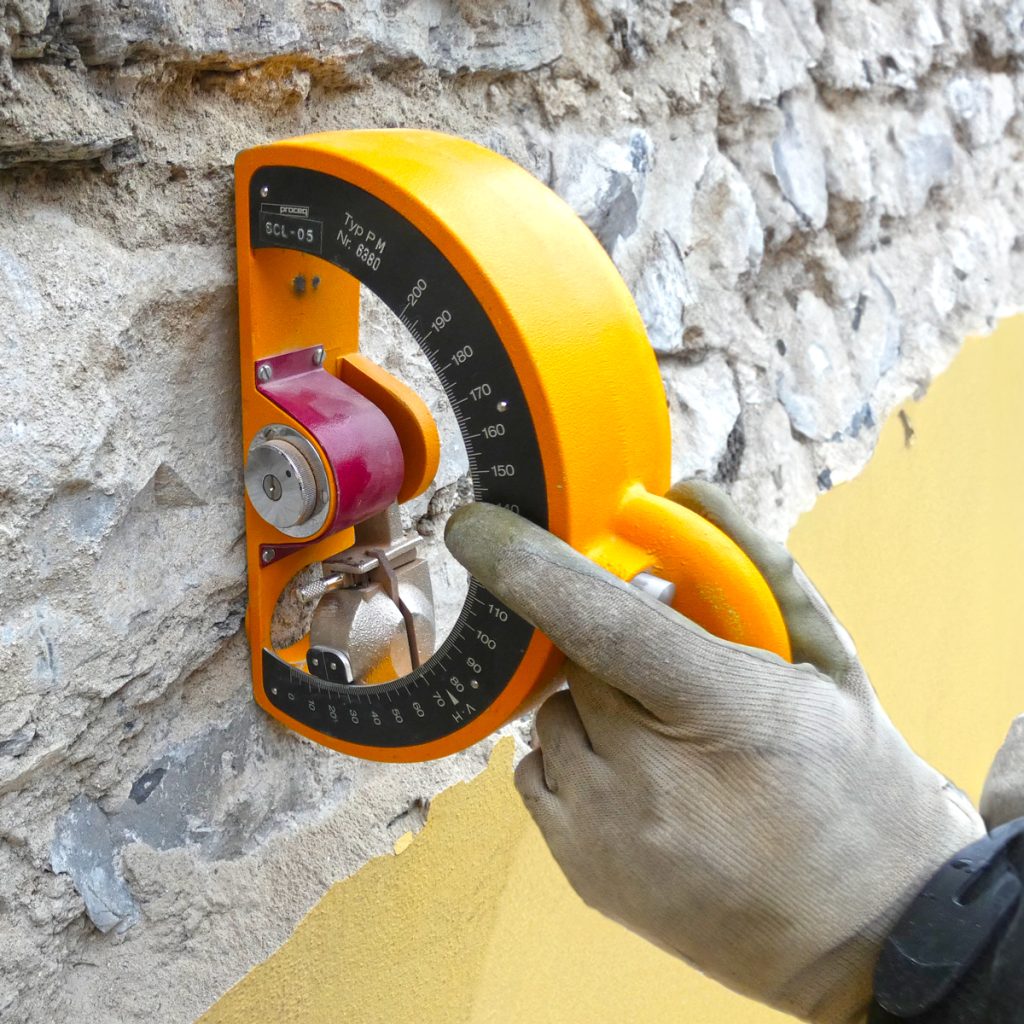
Rebound-hammer tests — measurement of surface hardness to estimate mechanical strength
Covermeter tests — detection of the position of the reinforcement, estimation of the concrete cover and estimation of the bar diameters
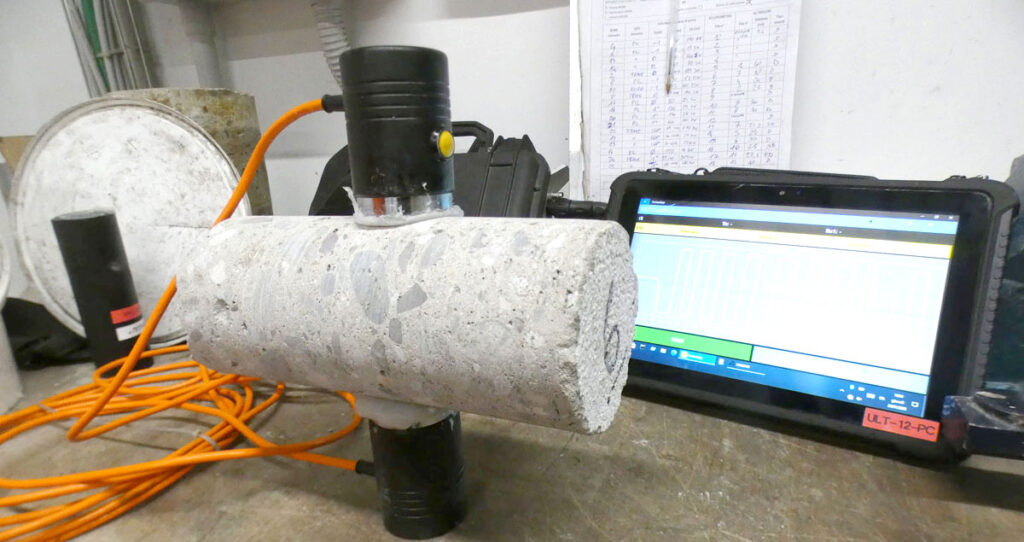
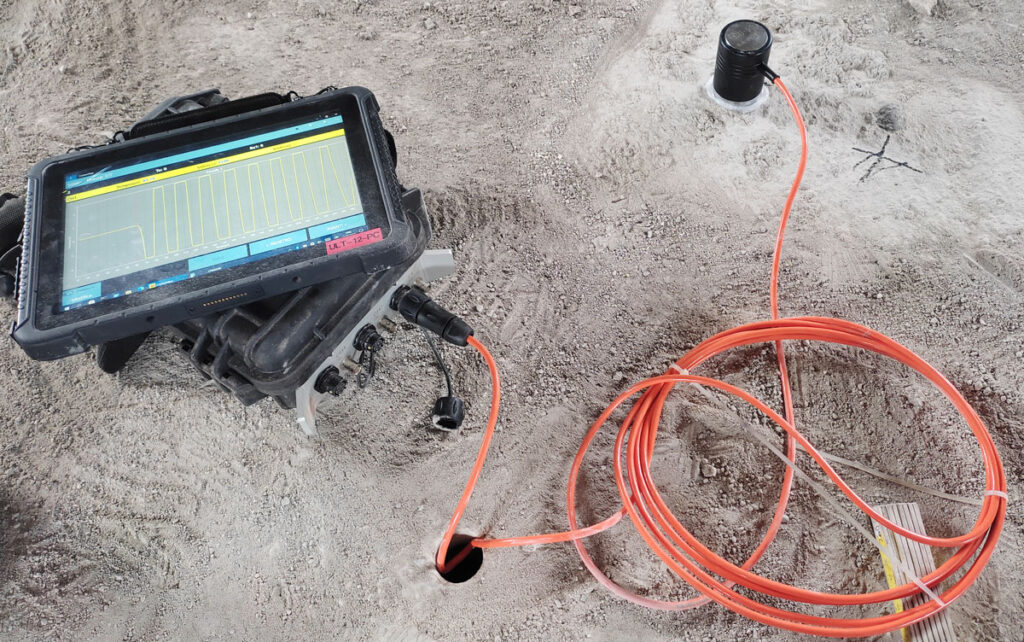
Ultrasonic tests — propagation velocity of the ultrasonic wave to estimate the in-situ compressive strength
Pull-Out test — concrete strength by means of direct in-situ extraction
Georadar investigation — internal exploration with electromagnetic waves to map reinforcement, voids, discontinuities and underground utilities
Core drilling and in-situ sampling — extraction of cylindrical samples from the structural concrete for mechanical and physico-chemical laboratory analyses, including elastic modulus, density and permeability (UNI EN 12504-1)
Chemical analysis of carbonation — measurement of the depth of the carbonation front on the extracted sample, using a colorimetric indicator (phenolphthalein); it assesses the loss of alkalinity of the concrete cover and the risk of triggering corrosion of the reinforcement (UNI EN 14630, UNI 9944)
Chemical analysis of chloride ion penetration — quantification of the chloride diffusion profile within the structural element; it indicates the level of degradation and the progress of metal corrosion, with particular relevance for structures in coastal areas or exposed to de-icing salts (UNI 9944)
Rebound-hammer test on stone-and-mortar masonry
Core drilling and in-situ sampling (UNI EN 12504-1) — Ultrasonic test on the extracted cylindrical sample
Steel structures
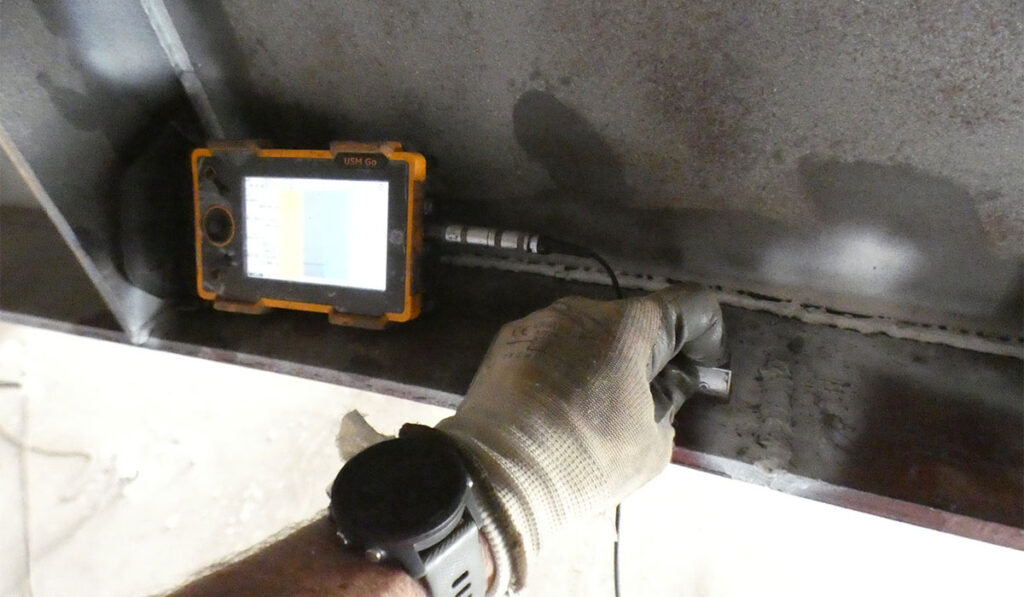
Ultrasonic testing – thickness gauging — measurement of thickness and integrity check of welds and metal sections
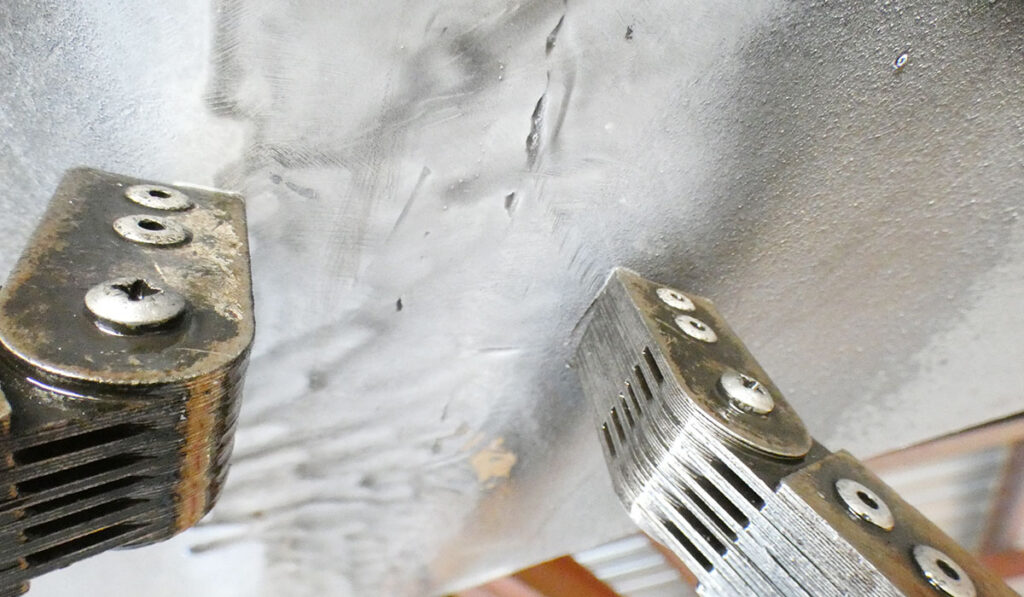
Magnetic particle testing — detection of surface and sub-surface discontinuities in ferromagnetic elements
Tightening torque measurement — verification of the correct tightening of bolts and metal connections
Ultrasonic testing (UT) for checking defects in metal welds
Magnetic particle testing (MT) for checking welds
Masonry
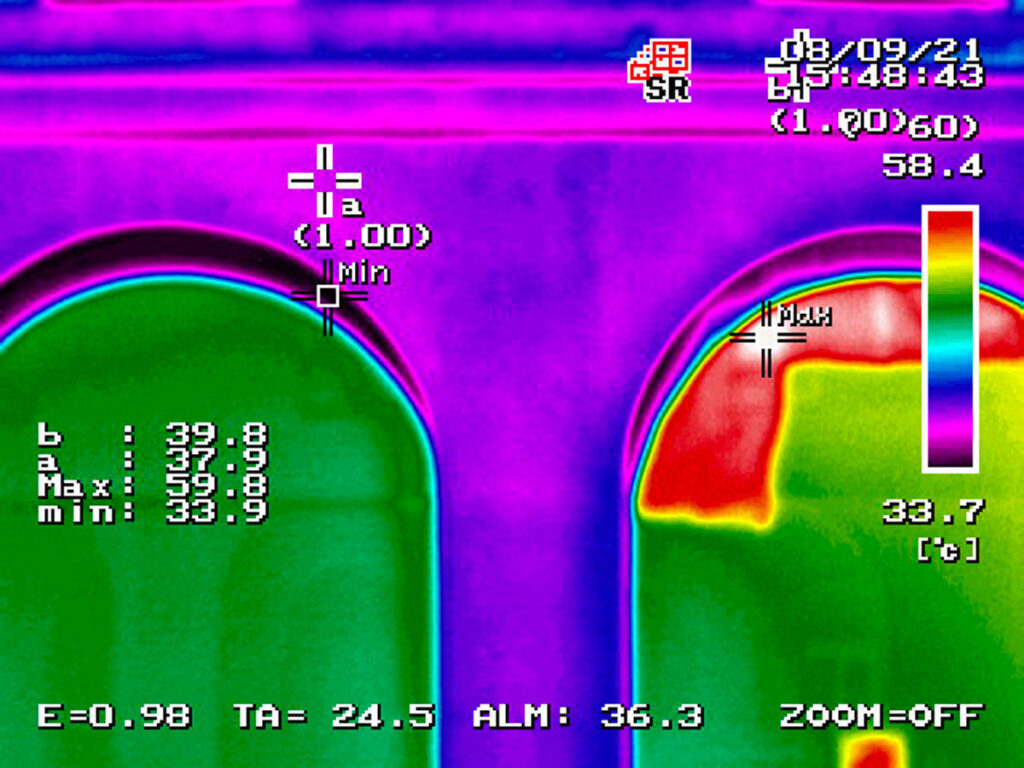
Thermographic tests — detection of thermal anomalies, moisture and detachments using infrared radiation
Georadar investigation — identification of internal cavities and discontinuities without demolition
Pull-Off adhesion test — verification of the adhesion of plasters and coatings to the masonry
Thermographic investigation on a masonry wall
Timber structures
Wood moisture measurement — water content to assess the risk of biological decay
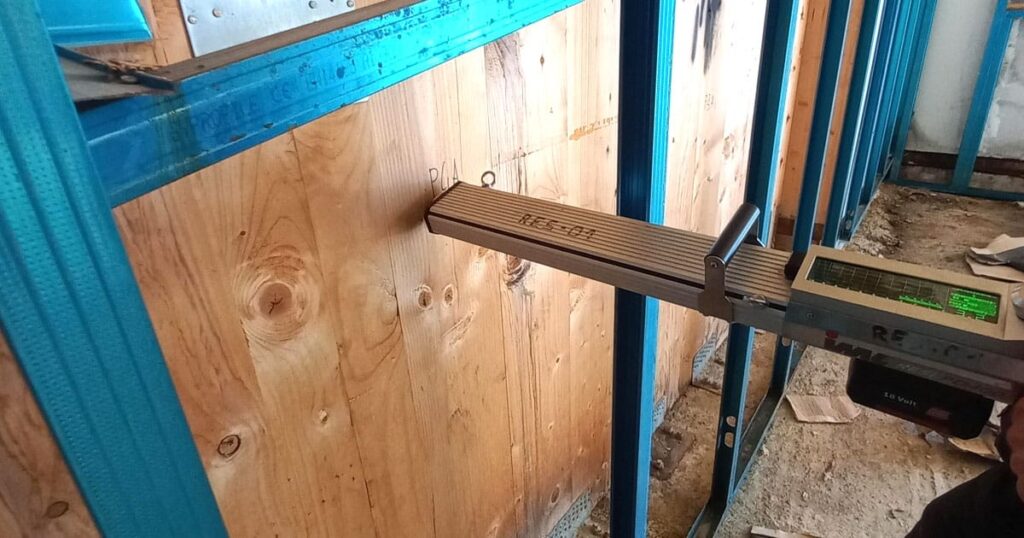
Resistographic investigation — detection of internal decay by means of low-impact micro-drilling
Assessment of the wood species and biological decay — identification of the species and state of conservation
Resistographic inspection on an X-Lam timber panel
Dynamic load tests — analysis of behaviour under variable loads and vibrations
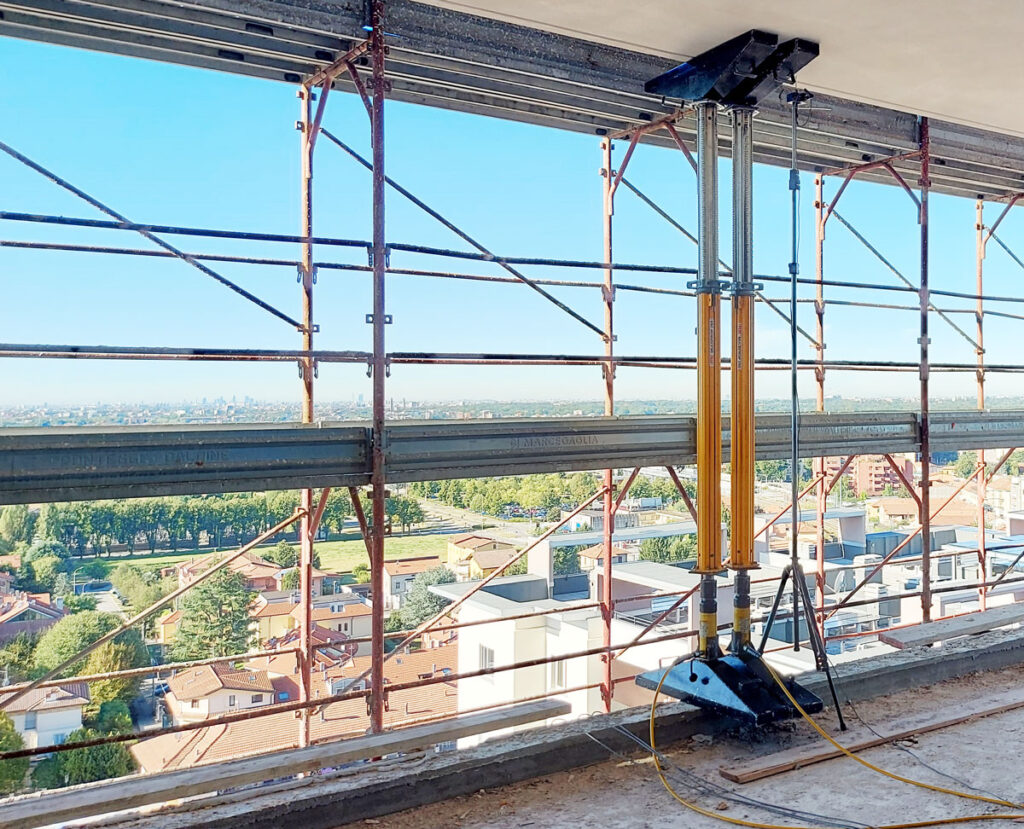
Load test – verification of the behaviour of structures under service loads – testing
Static load test on a floor slab
Surveys and monitoring
Geometric surveys — using a total station and laser scanner
Monitoring of physical quantities over time — lengths, temperatures, humidity, inclinations, etc.
— with spot readings on site
— continuously from remote
— with data access via web portal
Laser scanner in use
Who this service is for
NDT investigations are essential whenever an objective assessment is needed without compromising the integrity of the structure. The most frequent situations in which we operate:
Calculation of the load-bearing capacity of structural elements
Major renovations — knowledge of the existing structure before design
Post-earthquake or post-damage — urgent assessment of fitness for use
Scheduled maintenance of public buildings — bridges, schools, municipal buildings
Monitoring of structures over time
Field experience
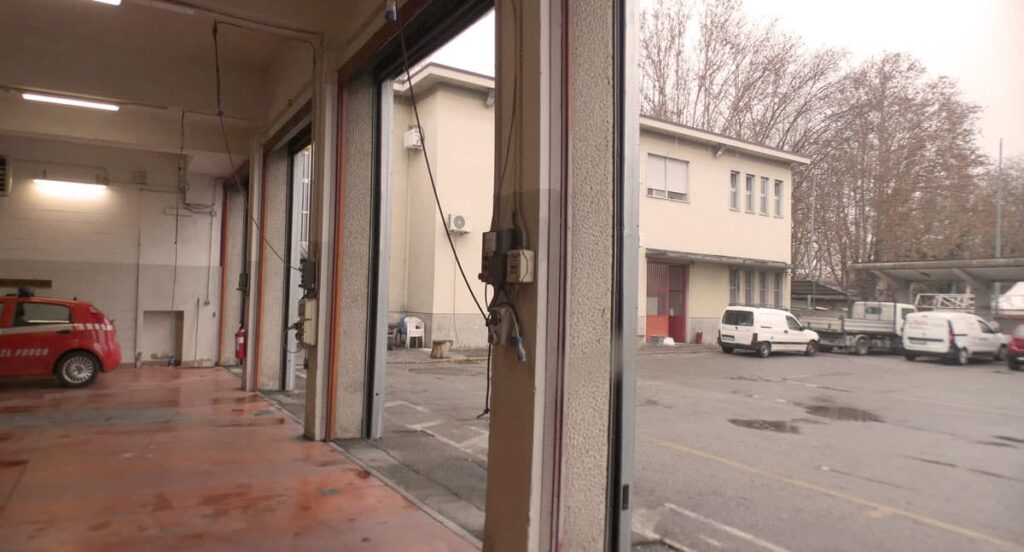
Seismic vulnerability of a fire station in Brianza
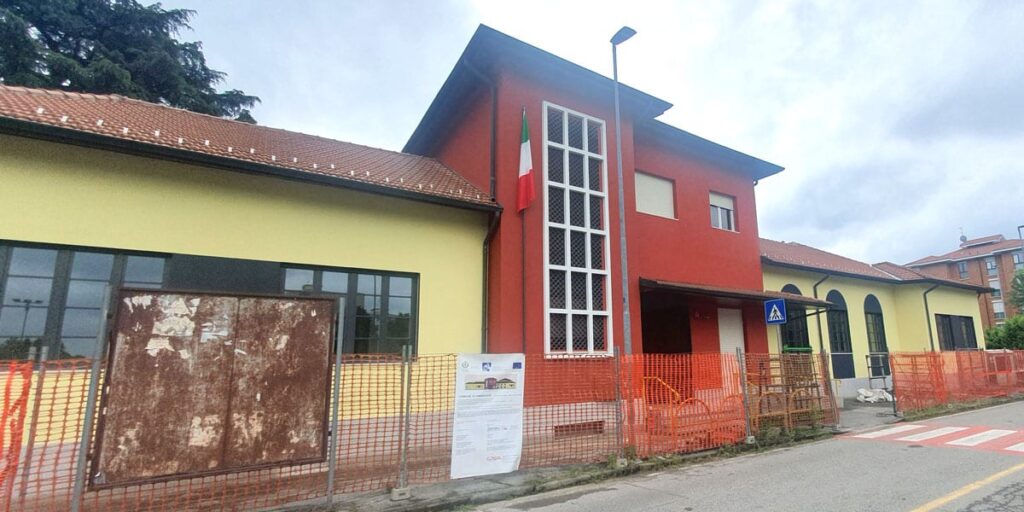
Seismic improvement of a nursery school (PNRR)
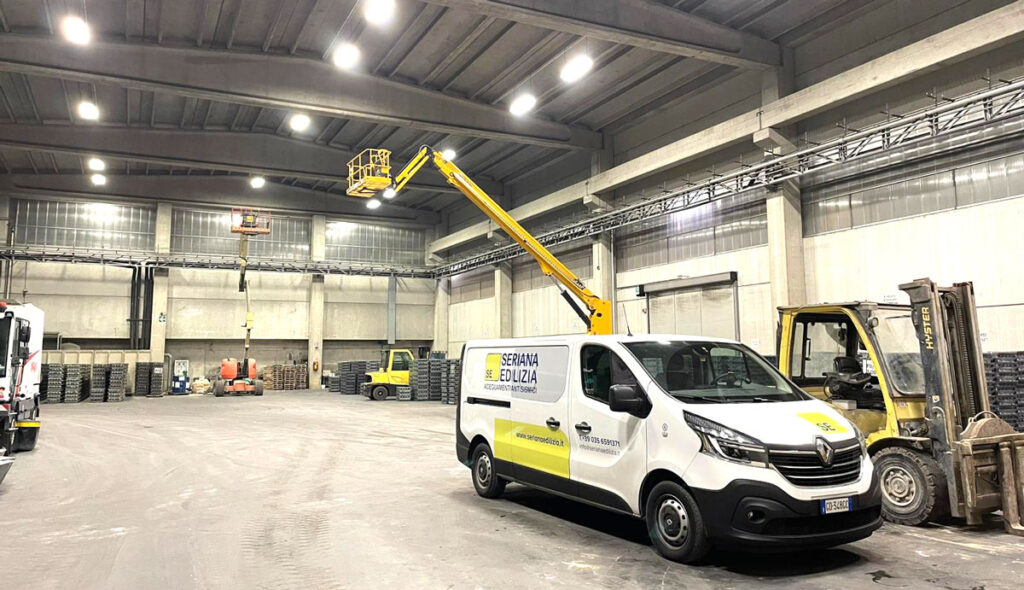
Seismic vulnerability of an industrial building
Non-destructive testing on X-Lam timber structures
FAQ
What is Non-Destructive Testing (NDT)? Investigations that assess the condition of a structure without compromising its integrity, providing certifiable on-site data for design, testing and expert appraisals.
On which materials are they carried out? Reinforced concrete, steel, masonry and timber, with specific methods for each material.
When are they needed? Seismic vulnerability assessments, Superbonus/Sismabonus, static testing, due diligence in property transactions, major renovations, post-earthquake assessments, maintenance of public buildings.
Do NDT reports have value for permits and testing? Yes: they are produced in accordance with the NTC 2018 and the applicable UNI EN standards and can be used for building permits, static testing, expert appraisals and the building record.
Do you operate only in Lombardy? Operating base in Lombardy (Vimercate, MB), with work available throughout the country.
Request a quote for your investigation
Send us the specifications of the structure to be analysed — type, year of construction, intended use and objective of the investigation — and we will reply with a tailored quote. We operate mainly in Lombardy but consider work throughout the country.